The project
A 36-month effort to prove, at pilot scale, that biodegradable plastics can be produced continuously from the waste our cities already generate.
The challenge
Global plastic demand keeps rising, yet the vast majority is still made from oil and gas and lingers for centuries. Bio-based, biodegradable alternatives exist — but producing them is slow, batch-based and expensive.
Meanwhile, cities discard millions of tonnes of organic waste that could become feedstock instead of landfill.
The solution
PHACTUS couples acidogenic fermentation of urban organic waste with a continuous PHA bioprocess and green-solvent recovery — running without interruption.
The outcome is competitive, scalable PHBV that biodegrades and feeds back into the circular economy, validated at an industrial pilot hosted by a waste operator.
How it works
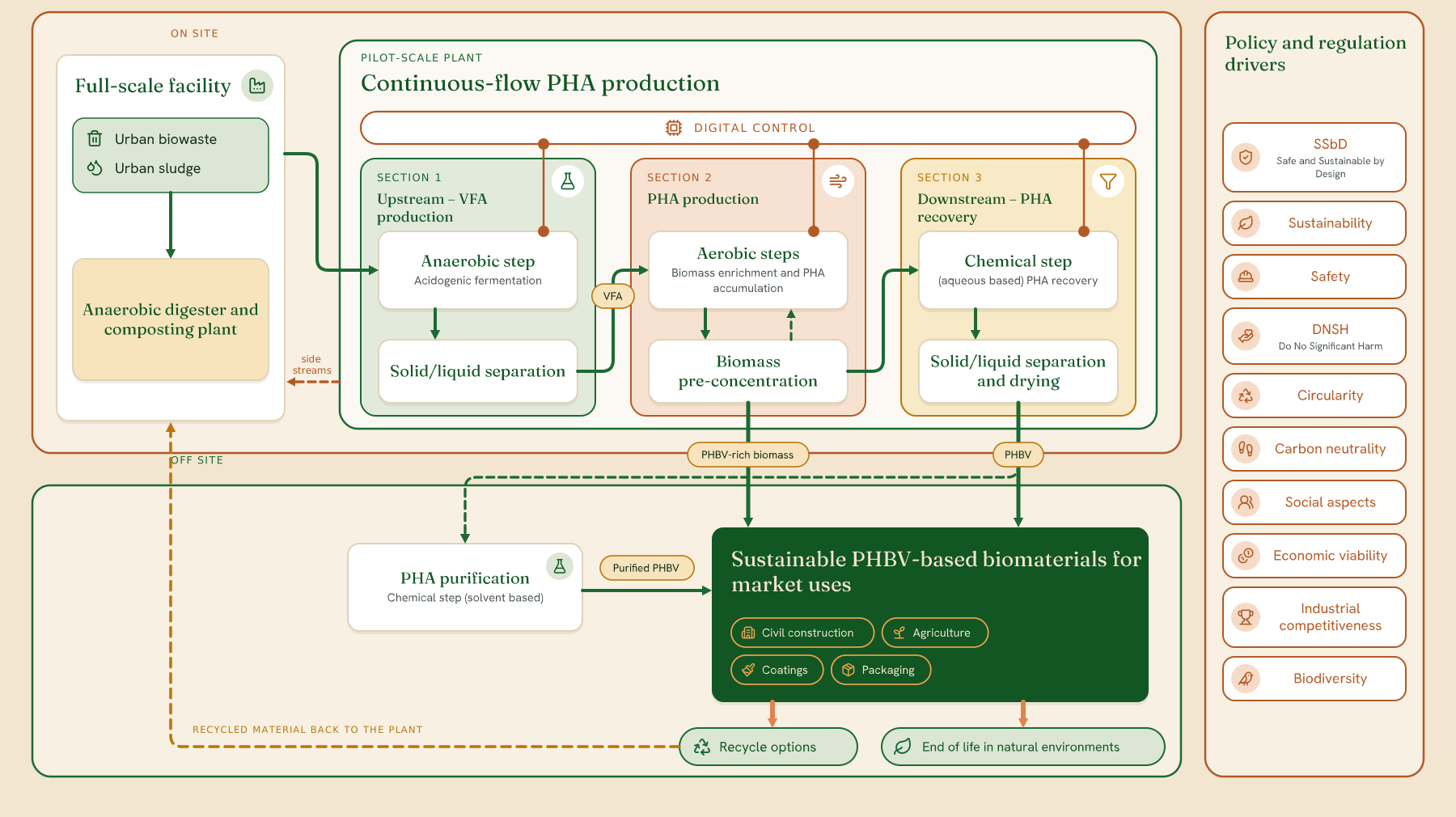
From urban biowaste and sludge to sustainable PHBV-based biomaterials, guided by policy and regulation.
Scorri orizzontalmente per vedere il grafico completo.
Pilot plant
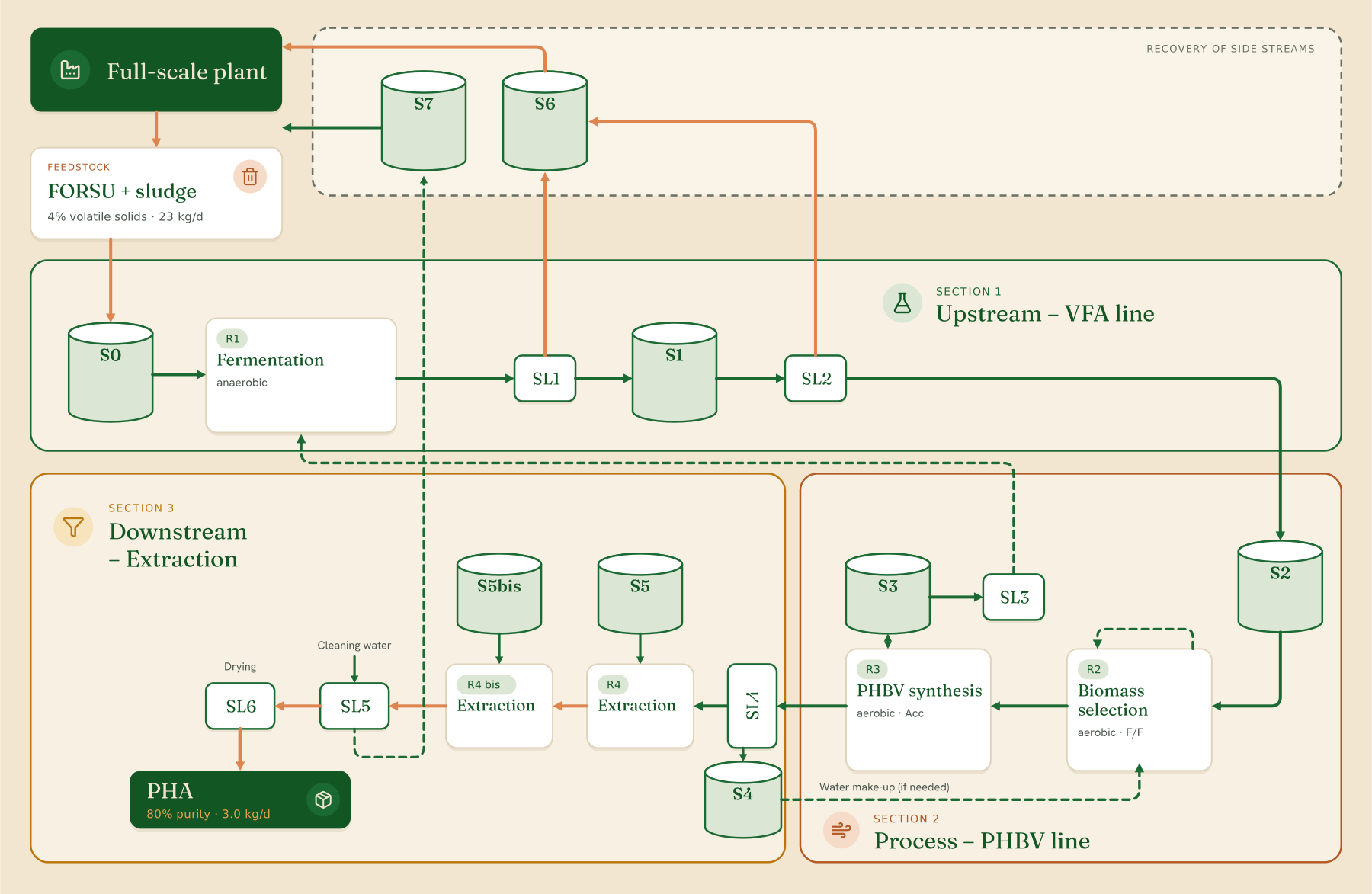
Three sections take urban biowaste to PHA: 3.0 kg per day at 80% purity.
Scorri orizzontalmente per vedere il grafico completo.
What we set out to do
From a robust process to a market-ready product, designed safe and sustainable from the start.
Innovation & impact
Work plan
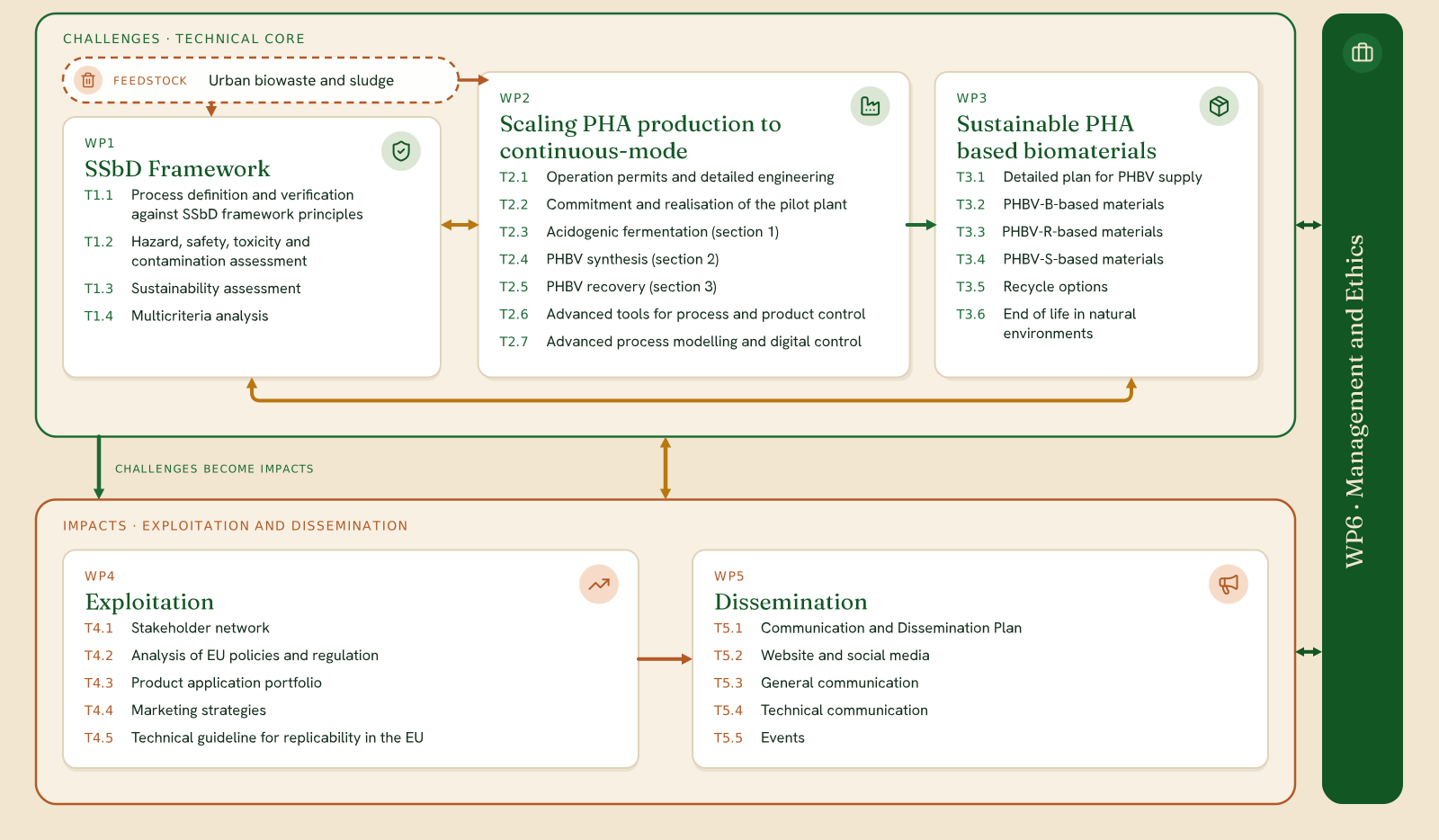
Technical work packages answer the challenges; exploitation and dissemination turn results into impact.
Scorri orizzontalmente per vedere il grafico completo.
Circularity
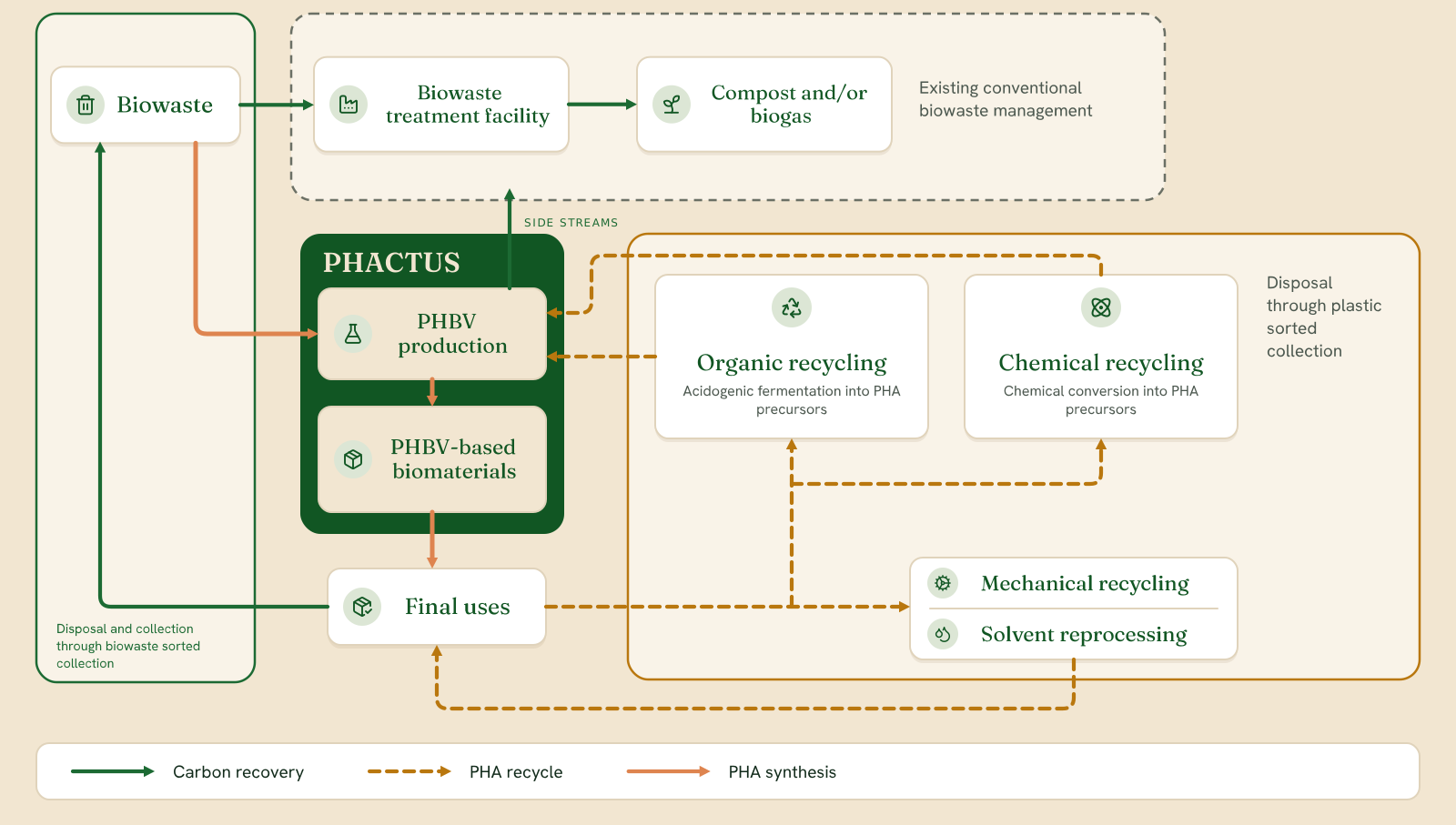
Biowaste becomes PHBV-based biomaterials, and at end of life the carbon comes back as new PHA or as compost and biogas.
Scorri orizzontalmente per vedere il grafico completo.
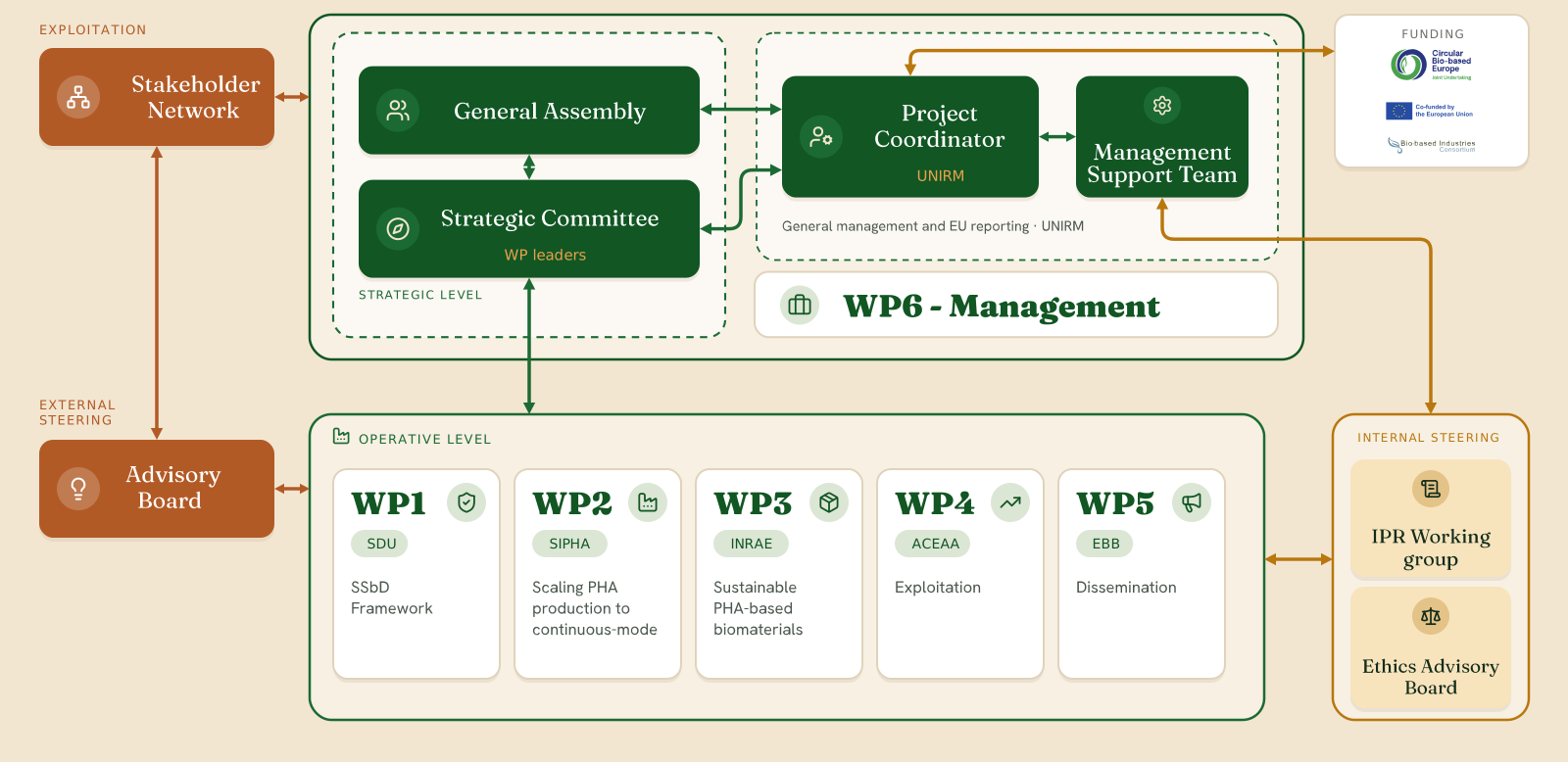
Governance
How the project is steered: strategic decisions, day-to-day management and the work packages that deliver.
Scorri orizzontalmente per vedere il grafico completo.